Vinyl Couch Cover Guide 2026: Pros, Cons & Care Tips
Posted by Meliusly
Your couch still works. That's the problem.
It's comfortable enough to keep, but the fabric has seen spills, pet traffic, body oils, and the slow wear that makes a once-nice sofa look tired. So you search for a vinyl couch cover because it sounds practical. Wipe-clean surface. Cheap protection. Fast visual reset.
That instinct makes sense. People have been covering furniture for centuries, and vinyl-style furniture protection became especially familiar in the postwar years, when clear plastic and vinyl covers moved into mainstream home use as a practical barrier layer before modern stain-resistant fabrics became common, as noted in this history of slipcovers and furniture protection.
But the main question isn't just, “Which cover should I buy?”
It's this: What problem are you trying to solve? If the issue is food spills, muddy paws, or a rental property sofa that needs a sacrificial layer, a vinyl cover can be useful. If the issue is that the seat sags, the cushions bottom out, or the frame support feels weak, a cover won't fix any of that. It will only change what you see on the surface.
That difference matters. A lot of homeowners buy a cover when they really need a support fix.
Your Guide to Vinyl Couch Covers
When a vinyl cover makes sense
A vinyl couch cover is a practical choice for one kind of job: protecting the surface from mess, wear, and daily abuse. If the sofa gets hit with snack spills, pet accidents, damp clothes, or heavy use in a rental, vinyl gives you a wipe-clean barrier that buys time and cuts cleanup.
That matters more than style language or color options.
The right use cases are usually pretty straightforward:
- Spill protection: Liquids sit on the cover long enough for you to wipe them up before they reach the upholstery.
- Fast cleanup: You can clean the surface with a cloth instead of stripping off a fabric cover and washing it.
- Lower-cost protection: If replacing the sofa or reupholstering it is off the table, vinyl can reduce further wear for less money.
A cover is best for surface-level problems like spills, stains, pet mess, and general grime.
When people buy the wrong solution
Homeowners often waste money. They buy a cover because the couch looks rough, but the main complaint is comfort. The seat dips. The cushions collapse. The middle feels like a hammock.
A vinyl couch cover will hide some wear and protect against the next accident. It will not rebuild flattened foam, tighten stretched seat support, or correct a sagging deck under the cushions.
That distinction matters if you want the couch to feel better, not just look more controlled. In our work at Meliusly, this is the line we tell people to draw first. If your problem is structural, support products address the cause. A cover only changes the layer you touch and see.
Buy a vinyl cover when the couch needs protection. Fix the support when the couch has lost its shape.
Protection vs Pitfalls of Vinyl Covers

Vinyl stays popular because it solves a very specific problem well. PVC-based vinyl is widely used in furniture covers for water resistance and low cost, which is a big reason it became so common in the first place, according to this discussion of standard vinyl covers and their tradeoffs.
That's the upside. The downside is just as important. Vinyl doesn't breathe, so moisture can get trapped underneath. That creates conditions that can encourage mold and fungal growth on the furniture below.
What vinyl does well
If you want a blunt, practical answer, vinyl is a barrier material.
It helps when your main concern is surface mess. Spilled drinks, food smears, pet accidents, and general grime are easier to manage when they stay on top of the cover instead of moving into absorbent upholstery. In everyday indoor use, that easy-clean surface is the main appeal.
A well-fitted vinyl couch cover also gives older furniture a cleaner silhouette. It won't make the sofa look custom upholstered, but it can make a worn piece look more controlled and less chaotic.
Where vinyl creates problems
The same low-permeability quality that helps with spills can work against you over time. If moisture gets under the cover and can't escape well, the furniture underneath may sit in a damp environment longer than you think.
That risk gets worse in a few common situations:
- Humid rooms: Basements, enclosed sunrooms, and spaces with poor airflow are tougher on non-breathable covers.
- Long-term untouched use: If no one removes the cover to inspect underneath, trapped moisture can go unnoticed.
- Poor fit at seams and edges: Open gaps can let liquid through while the non-breathable surface still slows drying.
Practical rule: Use vinyl when wipe-clean protection matters more than breathability.
Vinyl versus fabric covers
A fabric slipcover and a vinyl couch cover don't do the same job.
| Cover Type | Strongest Advantage | Main Limitation | Better For |
|---|---|---|---|
| Vinyl cover | Easy-clean, moisture-resistant surface | Low breathability | Spill-prone indoor use |
| Fabric slipcover | Softer look and feel | Usually less protective against direct liquid exposure | Style refresh, everyday appearance |
Some homeowners expect vinyl to feel like a comfort upgrade. It usually isn't. It's a protection layer first. If you buy it expecting better seat feel, you'll probably be disappointed.
How to Measure for a Flawless Fit

A loose cover looks sloppy, slides around, and leaves parts of the upholstery exposed. That defeats the point. Vinyl is valued for its low permeability and easy-clean barrier, but that only helps if the cover fits snugly enough to limit liquid access through gaps or unsealed seam areas, as explained in this overview of vinyl upholstery fabric pros and cons.
What to measure first
Use a soft measuring tape and write each dimension down as you go. Don't rely on memory.
Start with these core measurements:
-
Seat width
Measure from the inside of one arm to the inside of the other arm across the seating area. -
Back height
Measure from the top of the back down to the top of the seat cushion. -
Full outside width
Measure from the outer edge of one arm to the outer edge of the other. -
Arm height and arm length
Measure from the floor to the top of the arm, then from the front of the arm back toward the sofa rear.
If your couch has loose cushions, measure with them in place. That gives you the actual shape the cover needs to wrap.
Common Sofa Measurement Guide
| Furniture Type | Typical Seat Width (end to end) | Typical Back Height (top to cushion) |
|---|---|---|
| Armchair | Measure your chair directly | Measure your chair directly |
| Loveseat | Measure your loveseat directly | Measure your loveseat directly |
| Standard sofa | Measure your sofa directly | Measure your sofa directly |
| Recliner sofa | Measure each seating section directly | Measure from top back to seated surface directly |
No two brands size furniture exactly the same. Even sofas that look similar in photos can differ at the arms, back pitch, or cushion depth.
Spots people forget
These are the measurements that tend to cause returns:
- Cushion depth: A shallow cover on a deep seat will pull forward and bunch.
- Back thickness: Puffy backs need more material than tight-back sofas.
- Recliner mechanisms: A standard sofa cover often won't behave well on moving sections.
- Skirted bases or exposed legs: Check how the cover is supposed to fall and fasten.
Measure the couch you own, not the couch category you think it fits into.
If you're between sizes, pay close attention to the manufacturer's fitting notes. With vinyl, too much extra material can look stiff and wrinkled instead of casually draped.
Installing Your Cover Like a Pro

A clean install starts before the cover goes on.
If a cover looks sloppy on day one, the problem is usually prep, not the material. Crumbs under the seat, twisted cushions, and a crooked starting point all show through vinyl because it has less forgiveness than fabric.
Remove throws, straighten the cushions, and vacuum the seat gaps and arm corners. If the sofa has detachable cushions, lift them out and smooth the deck underneath before you start. That one step saves a lot of re-tucking later.
Set the cover from the back first and center it along the sofa's top line. Starting at one arm usually leaves you short on the opposite side, especially on sofas with uneven arm shapes or bulky backs.
For a cleaner result, work in this order:
- Align the top edge first: Get the back panel or top seam where it belongs before you pull anything tight.
- Pull downward first: Let the material settle over the frame before adjusting side to side.
- Tuck the inside corners firmly: Push excess material into the seat-back crease and the arm-seat crease.
- Reinstall and square the cushions: Smooth the base, then set each cushion back in its proper position.
Stop and check the fit after each step. Vinyl shows mistakes fast. If the center is off, the wrinkles at the arms will keep coming back no matter how much you smooth them.
Shifting is the next problem homeowners run into. Foam tuck tools, rolled fabric, and other grip aids can help hold the cover in the seat creases. If your cover keeps sliding forward, these chair cushion grip ideas explain what improves friction and what only works for a day or two.
A good install also means knowing what a cover can and cannot fix. A vinyl cover helps with spills, pet mess, and worn-looking upholstery. It does not correct sagging cushions, weak support, or a frame that has lost its shape. If the sofa looks uneven under the cover, the issue is usually structural.
Expect a neat, functional finish. Vinyl has more body than a woven slipcover, so it will not relax into soft folds or hide a poor fit. When the cover size is right and the sofa underneath is still sound, the result looks tidy and stays put longer.
Cleaning and Long-Term Care Guide
A vinyl couch cover is easy to clean only if you stay ahead of the mess. Let grime sit too long, and even a wipe-clean surface becomes harder to keep looking decent.
Routine care that actually helps
Use a soft cloth with mild soap and water for ordinary dirt and fresh spills. Wipe, then go back over the surface with a clean damp cloth so residue doesn't stay behind.
A simple routine works better than aggressive cleaning once in a while:
- Handle spills early: The longer residue sits, the more likely it is to leave a film.
- Clean seams gently: Dirt collects there first, and heavy scrubbing can stress stitched areas.
- Dry the surface fully: Don't leave moisture sitting in folds or tucked sections.
- Lift the cover periodically: Check the upholstery underneath, especially if the room runs humid.
For homeowners comparing different protective options, this guide to vinyl chair covers is also useful because the same maintenance logic applies across seating types.
What to avoid
Vinyl protection doesn't mean indestructible protection. A few habits shorten its useful life fast.
- Harsh cleaners: Strong chemicals can leave the material looking dull or feeling dry.
- Abrasive scrubbers: Rough pads can scuff the finish.
- Sharp edges nearby: Pet nails, exposed hardware, and rough belt buckles can catch and puncture.
- Neglect underneath: If you never lift the cover, you won't know whether trapped dampness has become a problem.
Long-term care mindset
Think of a vinyl couch cover as a working layer. It takes abuse so your upholstery doesn't have to.
That means regular inspection matters just as much as surface cleaning. If the cover starts stiffening, cracking, or pulling hard at one corner, don't ignore it. Small fit or wear problems usually turn into larger tears once people keep sitting on them day after day.
Is Your Couch Sagging? A Cover Is Only a Band-Aid

You pull a vinyl cover over the sofa because the room needs to look better by tonight. The stains disappear. The couch still swallows you when you sit down.
That is the key distinction homeowners miss. A vinyl couch cover solves a surface problem. Sagging is a support problem.
I see this all the time with older family sofas and sleeper sofas. People shop for a cover because the couch looks worn, but their real complaint is comfort. The middle seat dips. The cushions bottom out. Getting up feels harder than it should. A cover can make the sofa look cleaner and protect it from new spills, but the seat will still feel bad if the structure underneath has softened or collapsed.
Surface problems and structure problems are different
A sagging couch usually comes from one of three places:
- Compressed cushions: The foam or fill no longer springs back well.
- Weak support under the cushions: The deck, springs, or platform flex more than they should.
- Uneven wear: One seat gets far more use and breaks down faster.
Vinyl does nothing to change those conditions. In some cases, it can make the problem more noticeable because the slicker surface shifts while the low spot underneath stays exactly where it is.
What fixes seat feel
Start by lifting the cushions and checking what is happening below them. Press on the support area with your hand. If it bows easily, feels uneven, or drops most in one spot, the problem is under the cushion, not in the upholstery.
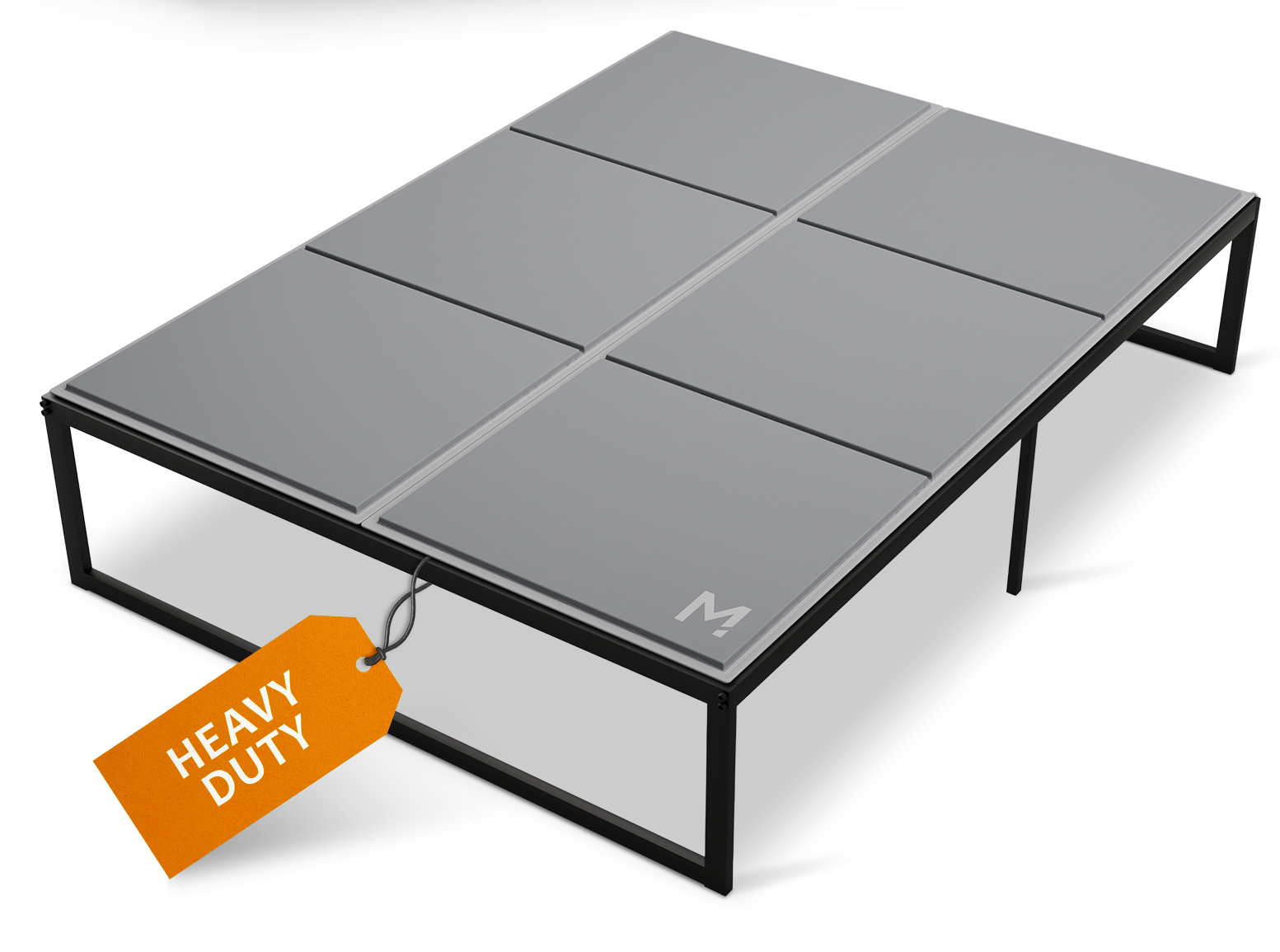
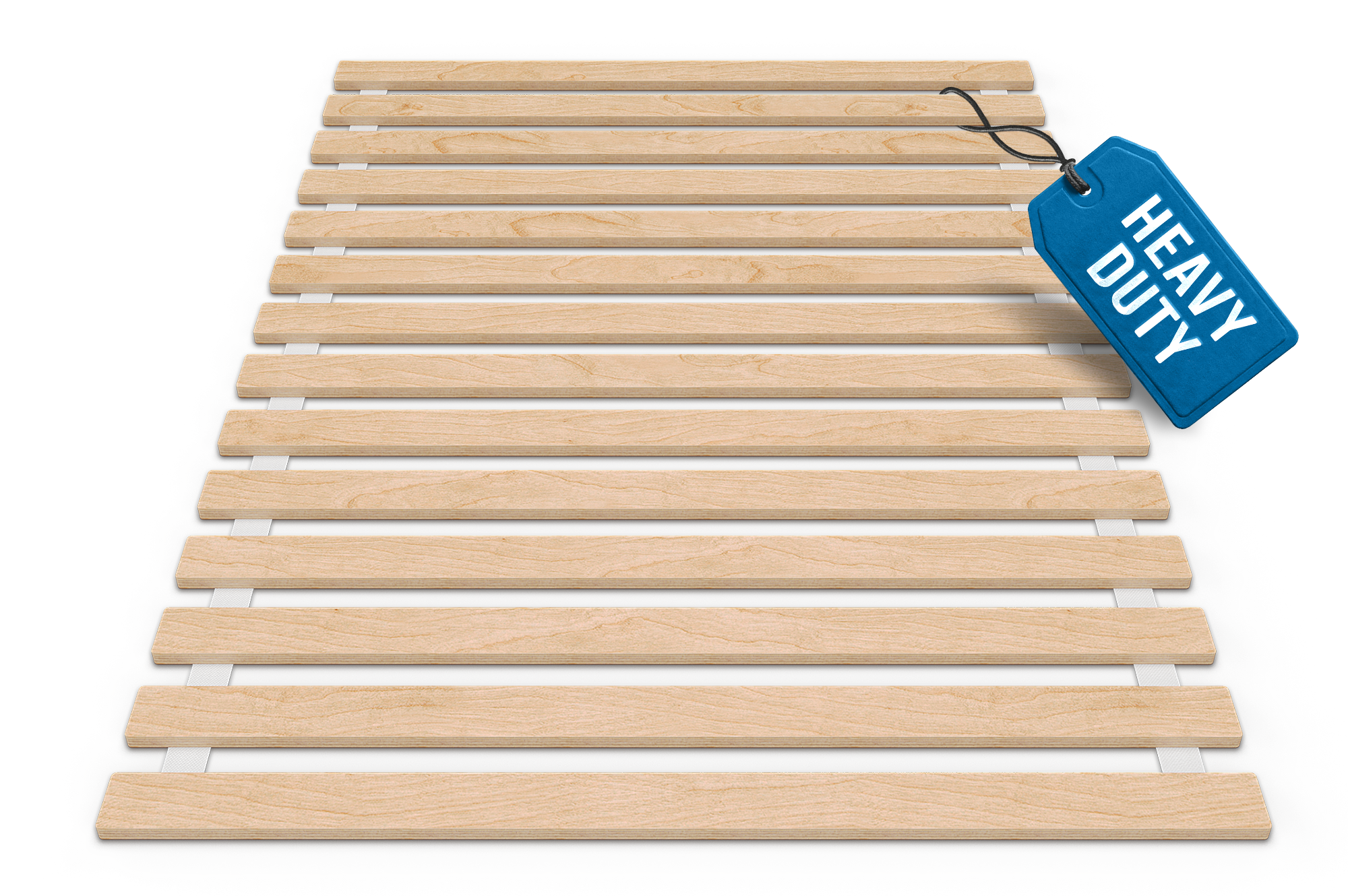
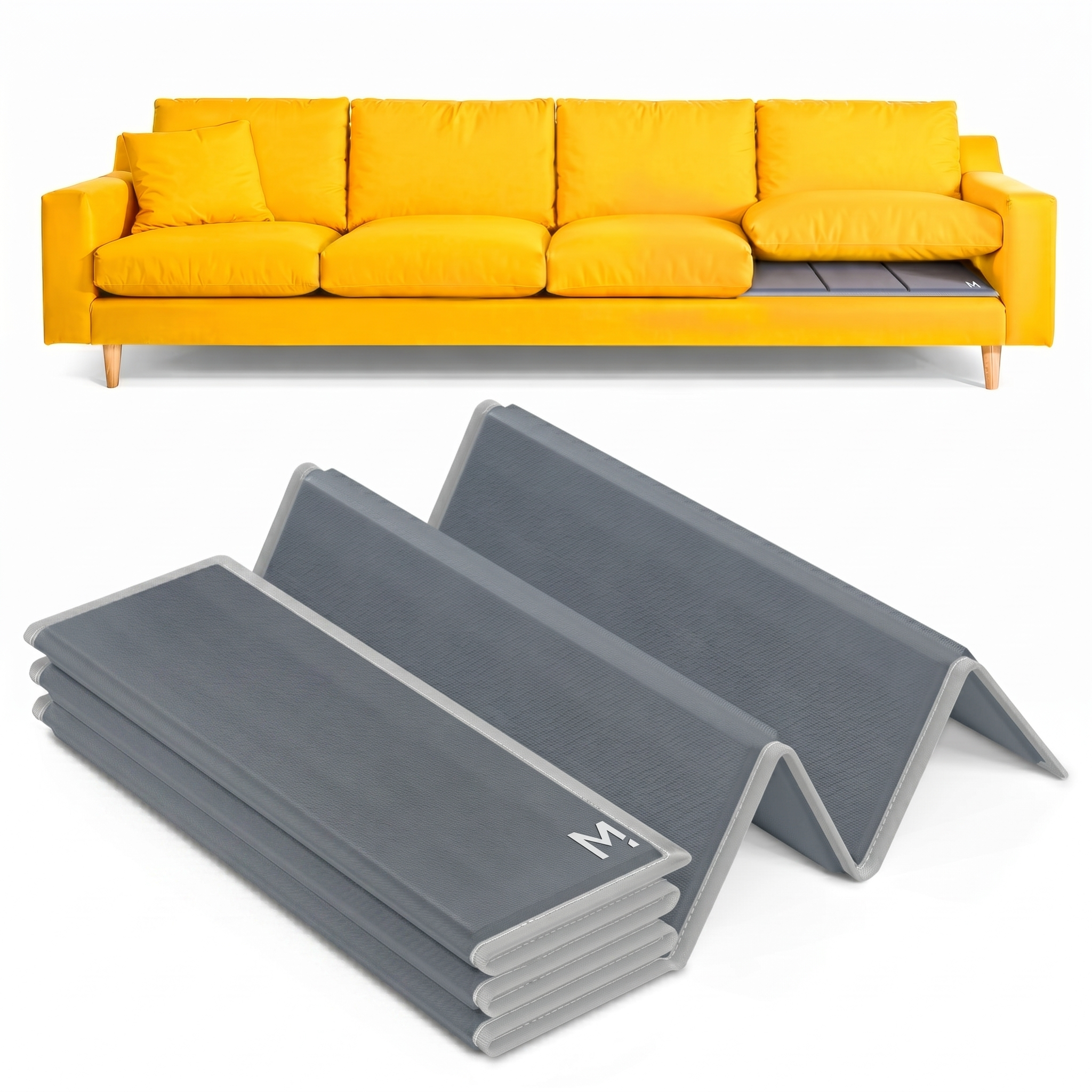
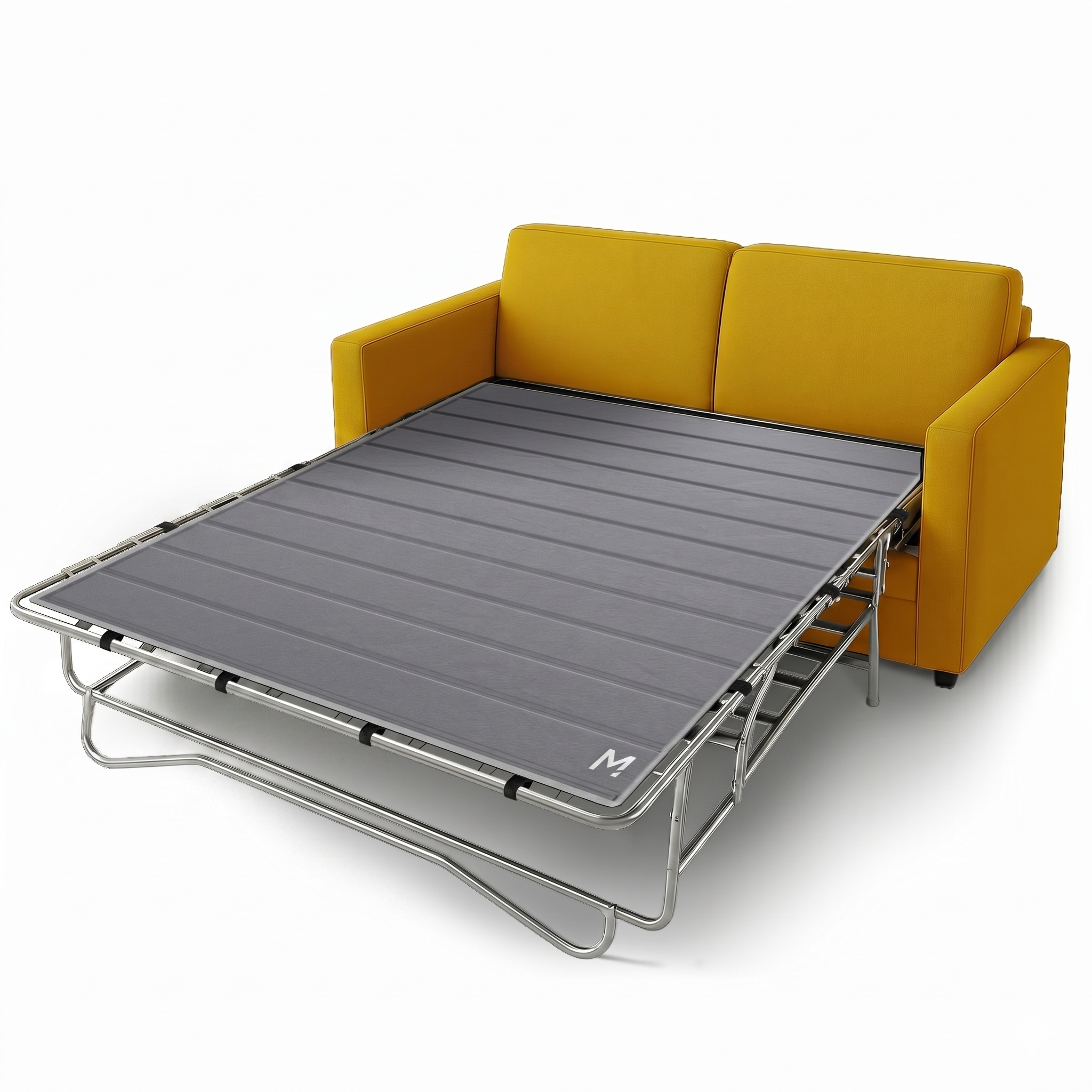
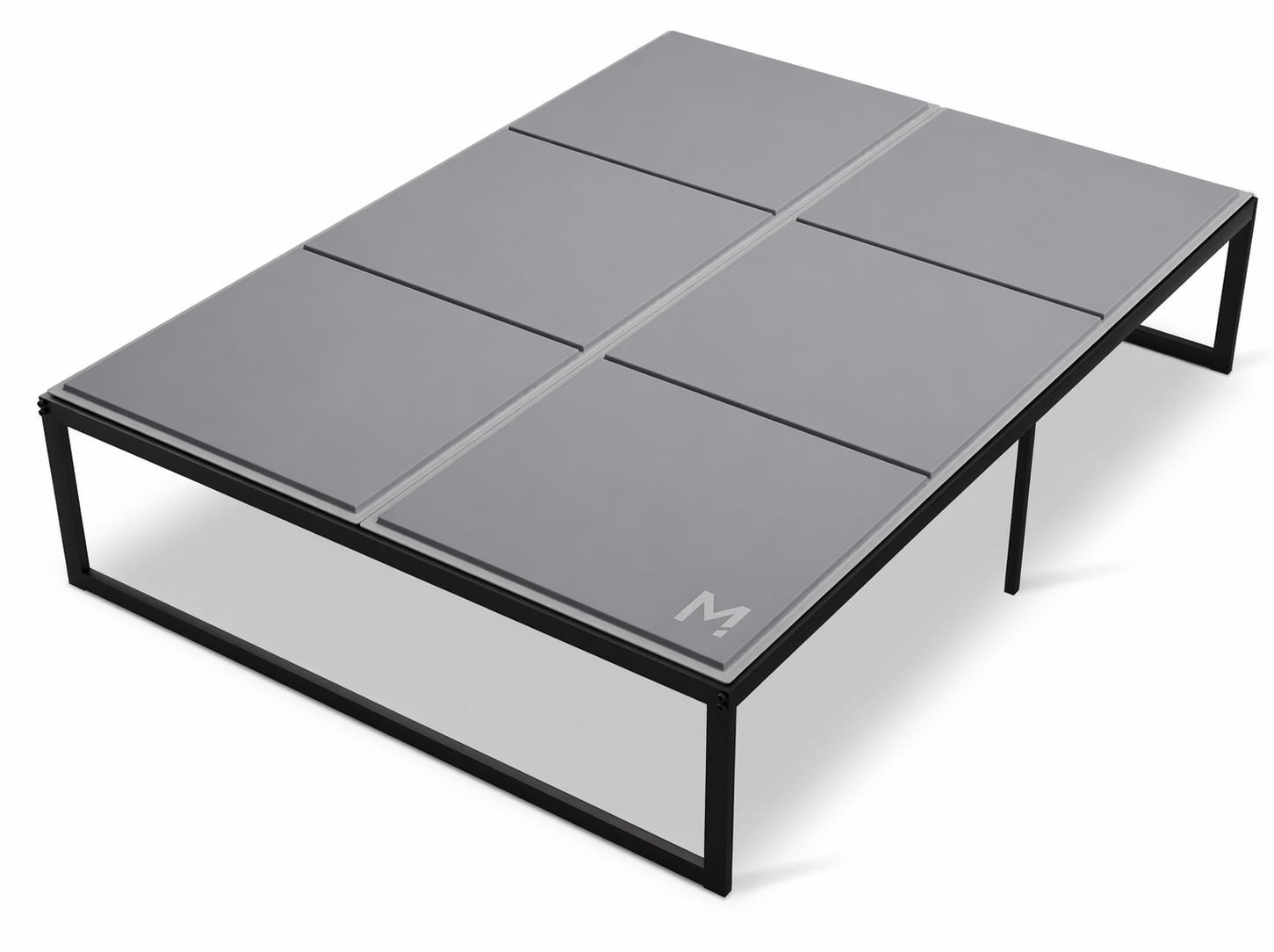
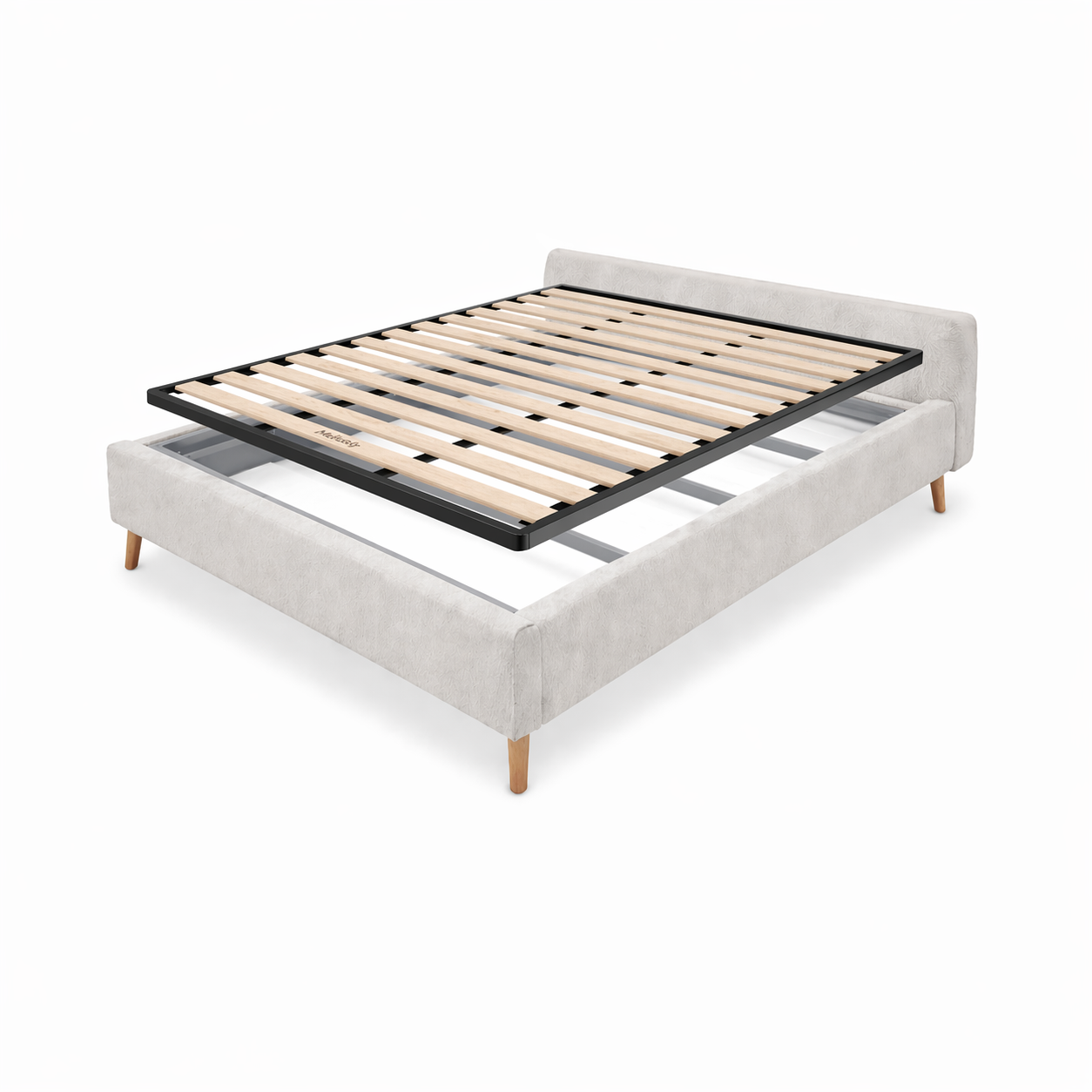
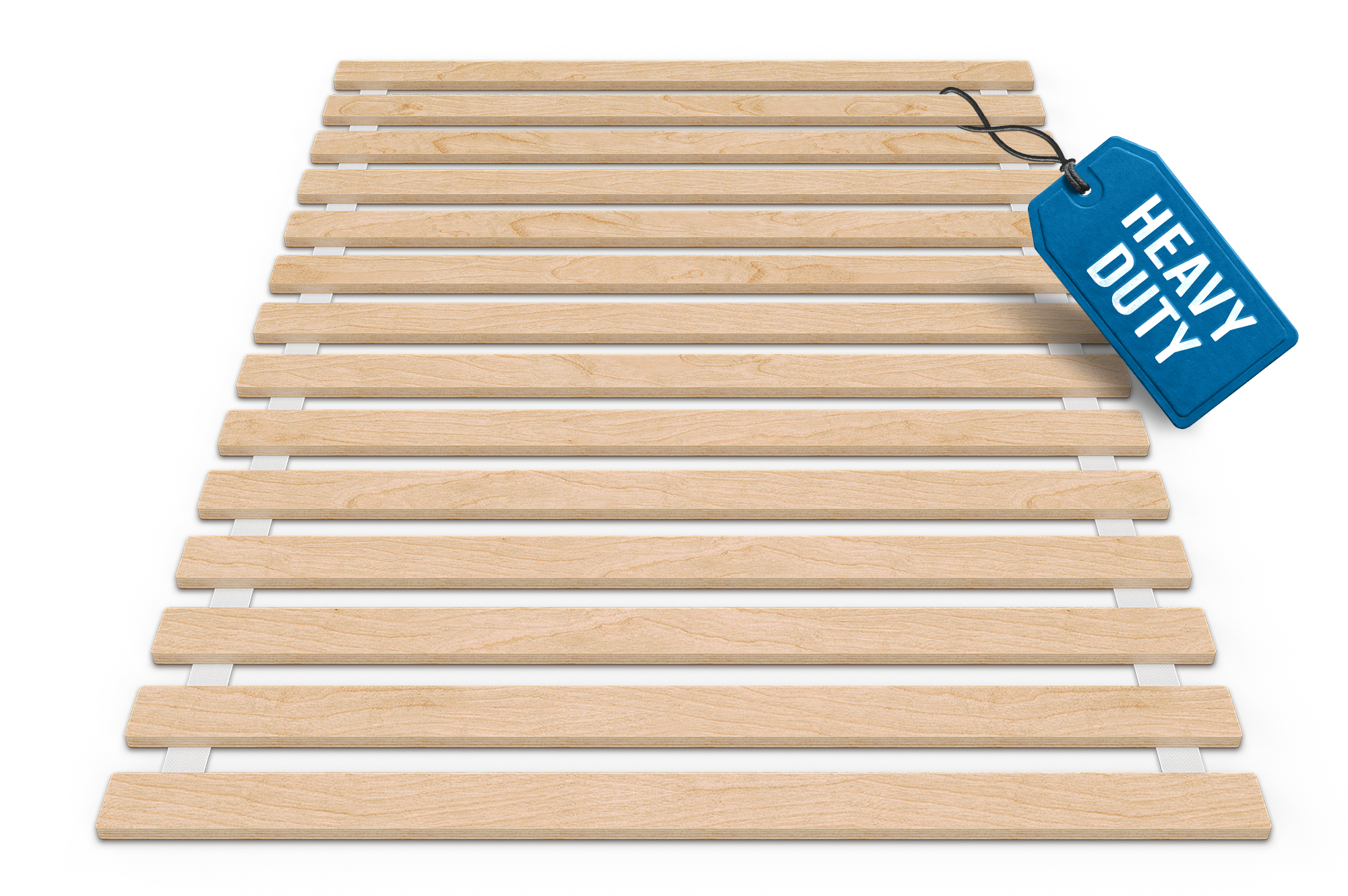
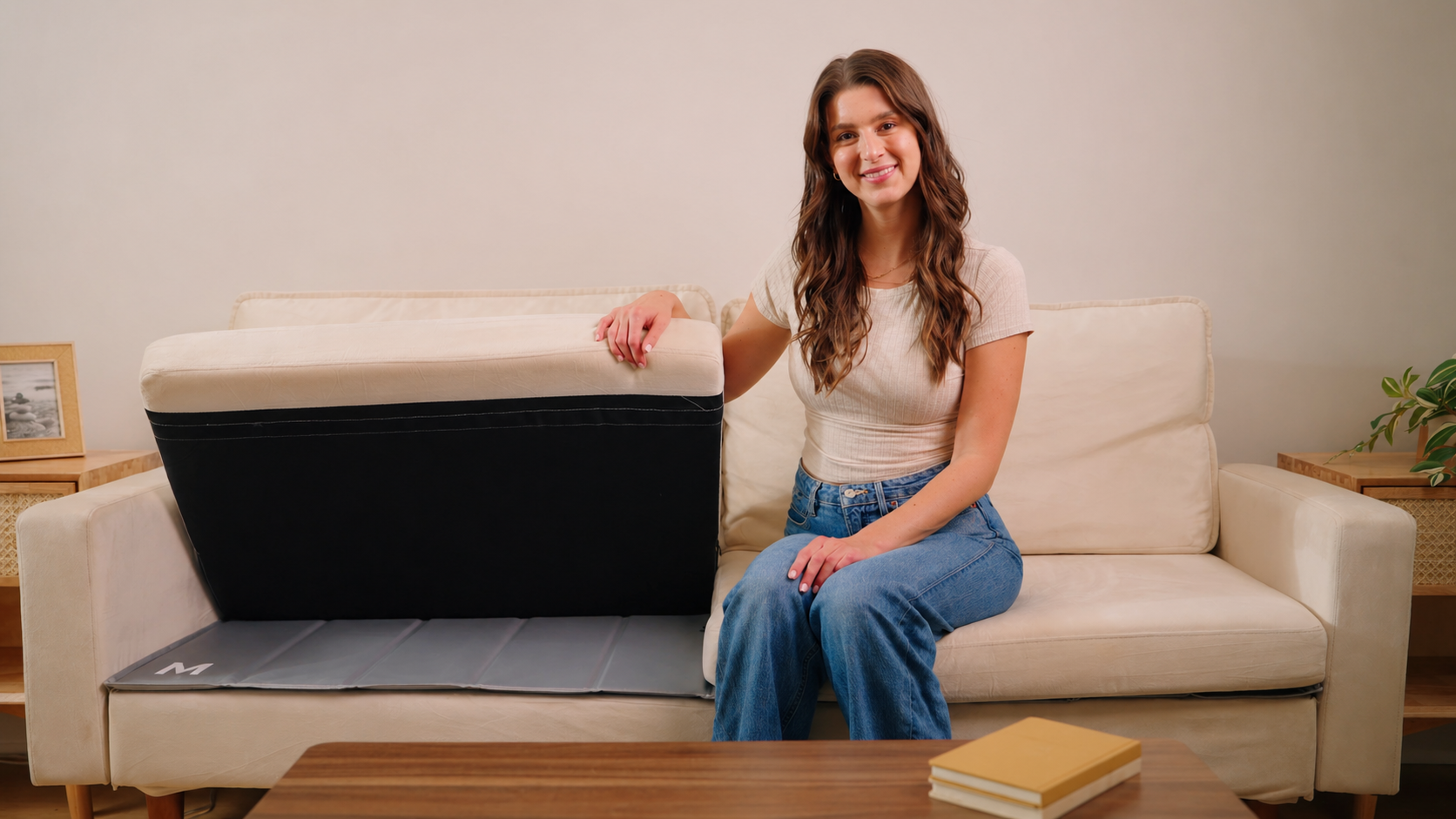
The practical fix is usually a firmer support layer, cushion replacement, or both. If you need a clear walkthrough, this guide on how to fix a sagging couch covers the inspection and repair options well. Support boards and sleeper sofa support inserts are common solutions because they flatten the seating base and reduce that sunken feeling without replacing the whole sofa.
That is also the purpose of products from brands like Meliusly. They are designed to sit beneath cushions and improve support where the furniture carries weight. That job is completely different from what a vinyl couch cover does.
If your main complaint is comfort, fix support first. Then decide whether the sofa also needs a cover.
A lot of couches still have years left in them. They just need the right diagnosis. Use a vinyl cover for spills, pets, or worn-looking fabric. Use a support solution for sagging, dipping, and poor seat feel. If your couch has both problems, handle the structure first so the cover is finishing the job instead of hiding it.