Memory Foam Sectional Sofa: The Complete Owner's Guide

Posted by Meliusly

A new sectional feels like a home upgrade you'll enjoy every day. It also comes with a quiet worry most buyers know well. Will it still feel supportive after movie nights, naps, guests, kids, and the habit everyone develops of sitting in the exact same spot?

That question matters even more with a memory foam sectional sofa. The first sit is usually the selling point. It feels plush, body-contouring, and forgiving in a way many standard seat cushions don't. But the long-term experience depends on what sits under that soft top layer, how the sectional modules connect, and what you do when the first dip starts to show.

Most furniture guides stop at the purchase. That's not enough. A sectional is a system, not just a sofa, and smart ownership means thinking about the full life of the piece, from showroom comfort to maintenance to repair. In many homes, restoring support is far more practical than replacing the entire sofa, especially when you're already weighing what furniture restoration can cost.

The Promise and Peril of a New Sectional

Sectionals became popular in the Victorian era, then changed again in the 1950s as mid-century modern design pushed lower, more modular seating into everyday interiors. That history still matters. Modern sectionals are built as multi-piece systems, not rigid one-piece sofas, and their durability depends on both frame design and cushion engineering. They also sit inside a large category. The global sofa market reached $128.5 billion in 2022 according to this sectional sofa history and market overview.

A memory foam sectional sofa takes that modular format and adds a material people associate with pressure relief and comfort. That combination is appealing for households that want one piece of furniture to handle upright sitting, sprawling, reading, and shared lounging. It also creates more failure points than most buyers realize.

What buyers love first

The appeal is easy to understand.

  • Pressure relief: Memory foam softens under body heat and weight, so the seat often feels less harsh on hips and thighs.
  • A more conforming sit: It contours instead of pushing back in a flat, springy way.
  • A quieter look: Many memory foam sectionals are designed around deep, lounge-friendly cushions and oversized modules.

What shows up later

The trade-off is just as real.

A sectional can feel soft and supportive on day one, yet still wear poorly if the support layer under the foam is weak.

The problems usually don't start with the cover fabric or the shape. They start inside. Seat foam compresses. Modules settle unevenly. Connection points shift. One corner becomes the favorite seat, and that one spot ages faster than the rest. Buyers who understand that early usually make better choices and keep the sofa comfortable longer.

Memory Foam Versus Other Cushion Fills

The term memory foam gets used loosely in furniture marketing. In practice, a sofa cushion usually isn't a solid block of memory foam. It's more often a layered cushion where memory foam works as a comfort layer over a firmer support core. That distinction matters because comfort and support aren't the same job.

A 2026 furniture trends analysis reported that memory foam couches alleviated 35% of joint pain for users, and the same analysis said 35% of total sofa sales happened online in 2023. Those figures help explain why buyers now spend more time comparing cushion construction and material specs before ordering from a screen instead of a showroom. The numbers come from this furniture trends dataset on couches and sofa buying behavior.

A cutaway view of a cushion showing its internal foam layers and support structure for furniture.

What memory foam does well

Memory foam shines when the goal is surface comfort. It spreads pressure, softens the first contact with the cushion, and reduces that hard pushback some cheaper seats have. For people who sit for long stretches, that can make a sectional feel far more inviting.

But memory foam isn't automatically the most durable choice for a seat cushion if it isn't paired with the right structure underneath. That's similar to the logic behind using the right foundation under a memory foam mattress. The top comfort layer only performs well when the layer below it is doing its job.

Cushion Fill Comparison

Fill Type Feel & Support Lifespan Maintenance
Memory foam Contouring, pressure-relieving, slower response when you stand up Can perform well, but depends heavily on the support core below it Benefits from rotating cushions and avoiding repeated loading in one spot
High-resilience foam Firmer, springier, more supportive feel Often a strong choice for structure and recovery Lower day-to-day upkeep than softer, looser fills
Polyester fiberfill Soft at first, but less structured support Tends to lose shape sooner Needs frequent refluffing and redistribution
Down or feather blend Plush, relaxed, lounge-focused feel Comfort can remain pleasant, but shape control is weaker Requires regular fluffing and can feel uneven

Practical rule: If a product listing talks endlessly about softness and barely mentions the cushion build, assume you still don't know enough.

The right fill depends on how you sit

A formal living room and an everyday family room need different cushion behavior. For upright sitting, laptop use, and getting in and out easily, a firmer and more resilient build tends to age better. For curling up and long lounging, memory foam can feel better at first but needs stronger engineering under the surface.

That's why “memory foam” shouldn't be the final buying criterion. It's one layer in a seating system. The core question is what supports it.

Your Essential Checklist for Buying a Durable Sectional

Most sectional buyers focus on size, color, and whether the chaise goes left or right. Those things matter, but they won't tell you how the sofa will feel after daily use. The durable purchase is the one built correctly under the upholstery.

A craftsman inspecting the exposed solid wood frame construction of a high-quality sectional sofa frame.

Start with the cushion construction

This is the most important checkpoint in a memory foam sectional sofa. Independent furniture guidance is very clear on the key issue. Memory foam alone can bottom out, so buyers should ask for the support-core specs under the memory foam layer, whether that means high-resilience foam or a hybrid suspension system. That recommendation comes from this guide to choosing a memory foam sofa.

If a retailer won't provide a cushion layer diagram, that's a warning sign.

Here's what to ask for:

  • Layer breakdown: Ask what materials sit from top to bottom inside the seat cushion.
  • Support core details: Find out whether the base layer is high-resilience foam or another structural support component.
  • Firmness and feel: Ask how the seat is meant to perform for upright sitting versus deep lounging.

For sag prevention, the cushion shouldn't rely on the memory foam layer to do structural work. If it does, the seat often starts comfortable and ages poorly.

Check the sectional as a system

A standard sofa has fewer variables. A sectional has modules, seams, corners, and connector points. That changes how weight moves through the furniture. If one module sits slightly lower than the one beside it, users feel that mismatch every time they slide across the seat.

Look closely at these details:

  1. Module alignment
    Sit across the junction between two seats. If one side dips more than the other, the difference will become more obvious over time.
  2. Corner seat comfort
    Corners are notorious weak points. They often get used differently than straight seats, and poor geometry shows up quickly.
  3. Seat depth consistency
    The chaise, armless module, and corner unit should feel intentionally related, not like separate products grouped together.

Ask to sit in every module, not just the showroom's center cushion. The weak seat is often the corner or the chaise transition.

Don't ignore the support below the cushion

People often blame the foam when the underlying problem is underneath it. The suspension and seat deck carry the load before the cushion ever gets involved. If that support stretches, bows, or softens, even a decent cushion starts to feel tired.

A good question is simple: what supports the cushion from below?

That could be springs, webbing, or another support structure, but the point is the same. The seat needs a stable platform. If the base is inconsistent, the cushion wears unevenly.

If you already know sagging support is a common problem in your home, it helps to review how sofa cushion support works in practice before you buy. That makes it easier to spot weak construction early.

Measure for real use, not just room fit

A sectional can fit the wall and still fit your body badly. That's especially true with oversized, modular, lounge-style designs. The deeper the seat, the more important back cushion position becomes. If the seat is too deep for your height, you end up slouching. If the seat is too low and too soft, standing up becomes a chore.

Use this quick buying test in person:

  • Sit upright with your back supported: Your lower back shouldn't float away from the back cushion.
  • Shift sideways: The seat should still feel supported when you lean, not collapse at the edge.
  • Stand up without momentum: If you have to rock forward to get out, the seat may be too low or too soft for daily use.

Watch for vague language

“Cloud-like.” “Sink-in comfort.” “Relaxed seating experience.” None of that tells you how the sectional is built.

The strongest listings usually explain the seat construction clearly. The weakest ones sell the feeling and hide the engineering. When you're buying a memory foam sectional sofa, the engineering is what determines whether that nice first impression lasts.

Simple Maintenance to Maximize Your Sofa's Lifespan

Even a well-built sectional needs routine care. Foam doesn't wear out all at once. It usually compresses gradually in the most-used spots, and that means small habits make a visible difference.

Rotate use before you rotate cushions

The biggest wear pattern in most homes is predictable. One seat becomes the default. That's where people drop their keys, watch TV, scroll on their phones, and fall asleep. If your sectional has movable cushions or symmetrical modules, rotate them. If it doesn't, rotate where people sit.

That simple change spreads loading across more of the sofa.

Keep abrasive dirt out of the fabric and seams

Dust, crumbs, and grit don't just look bad. They grind into upholstery and settle into cushion seams. Vacuuming with an upholstery attachment helps keep the cover cleaner and reduces the rubbing that can make a seat look older than it is.

A basic routine works well:

  • Vacuum the seating surfaces: Pay attention to seams, corners, and the gap between cushions.
  • Lift removable cushions: Clean the deck underneath so debris doesn't keep pressing into the fabric.
  • Blot spills quickly: Don't scrub liquid deeper into the cushion.

Reset the cushions regularly

Some seat cushions need more than fluffing. They need reshaping. If the insert has shifted inside the cover, unzip it and recenter it. If the cushion has a top and bottom orientation, follow it consistently instead of flipping it randomly.

Foam fatigue is normal. Good maintenance slows uneven wear, but it won't stop all compression forever.

That's an important expectation to keep. A memory foam sectional sofa can stay comfortable for a long time with decent care, but no foam remains unchanged under repeated use. Maintenance extends performance. It doesn't suspend physics.

Diagnosing the Dips The Root Causes of Couch Sagging

When a sectional starts feeling wrong, people usually describe the symptom first. “I'm sinking.” “The middle feels lower.” “One cushion looks fine but sits badly.” Those descriptions are useful because sagging rarely comes from only one cause.

A close-up view of a beige sectional sofa showing signs of wear and sagging seat cushions.

Independent reviews of soft, modular memory foam sofas often come back to the same unresolved issue. They can feel good at first, but reviewers still flag foam density, firmness, sinking, and long-term sagging as major concerns, especially for heavier users or frequent lounging. That concern is summarized well in this independent review discussion of boneless memory foam modular sofas.

Foam compression

This is the most familiar problem. The cushion loses resilience and no longer rebounds like it used to. A good analogy is a kitchen sponge that still exists physically but doesn't spring back after you squeeze it.

Signs of foam compression include:

  • A body-shaped dip that stays visible
  • A seat that feels flatter, not just softer
  • Less support even when the fabric and frame look fine

Compression usually shows up first in the favorite seat. If the sectional has a chaise, that area can wear differently because people recline on it instead of sitting upright.

Suspension fatigue

Sometimes the cushion gets blamed unfairly. Remove the cushion and inspect what's below it. If the platform underneath bows, stretches, or feels soft, the problem may be in the seat support, not the memory foam itself.

This kind of sagging feels different. Instead of a dead cushion on top of a stable base, you get a hammock effect. Even a decent cushion can't compensate for a weak platform below.

Frame and module issues

A sectional adds connection points, and those connections matter. If one module sits slightly out of level, the problem can feel like cushion failure when it's a structural mismatch between sections.

Look for these clues:

  • One module sits lower than the next
  • A corner unit feels awkward while straight seats still feel normal
  • The gap between modules has widened or shifted

Why the problem seems to spread

Once one part of the sectional starts dipping, people avoid it or compensate for it. They sit on the edge, lean toward the firmer spot, or shift more weight to the neighboring cushion. That creates secondary wear in places that were fine before.

A sagging sofa often fails as a chain reaction. One weak layer changes how every layer above and beside it gets used.

That's why diagnosis matters. If you only add stuffing to a tired cushion when the primary issue is underneath, the seat may look fuller for a short time but still feel unstable.

How to Affordably Fix a Sagging Memory Foam Sectional

The usual moment is familiar. One seat starts feeling lower than the rest, everyone in the house avoids that spot, and the first repair attempt is a folded blanket or extra fill under the cushion. That can mask the problem for a weekend, but it does not restore support.

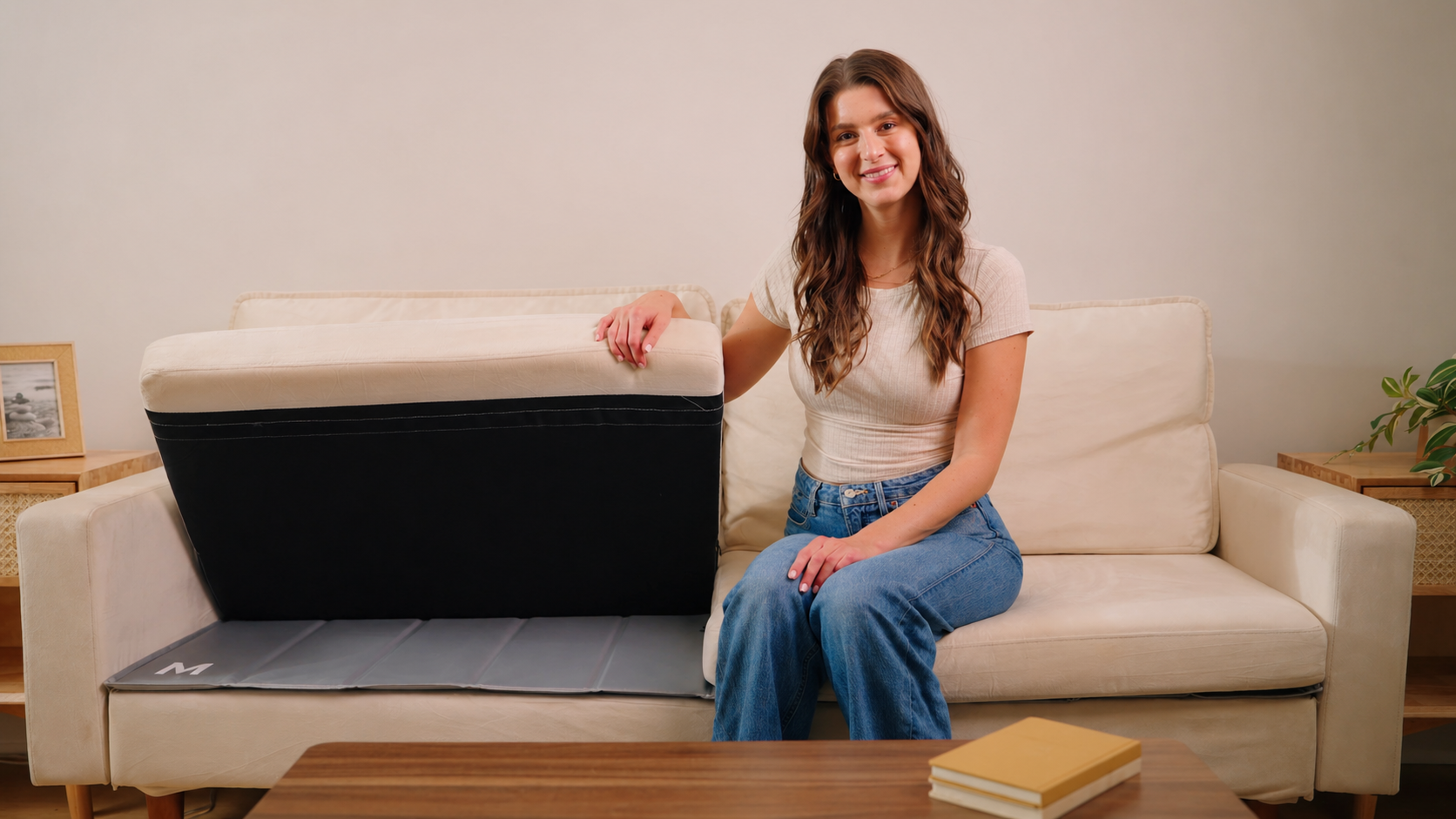
The low-cost repair that holds up best is usually underneath the cushion, not inside it.

Screenshot from https://www.meliusly.com

What works

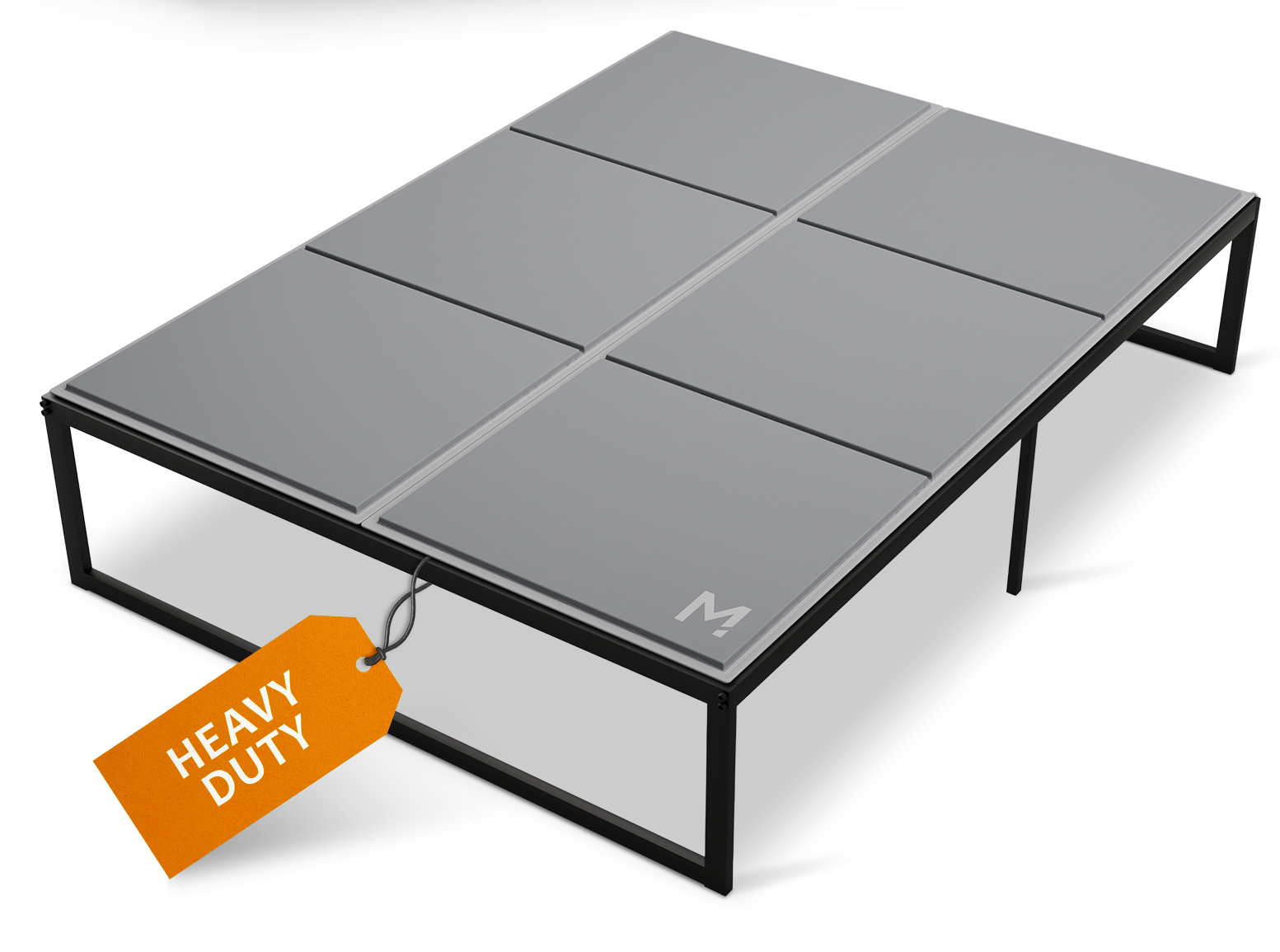
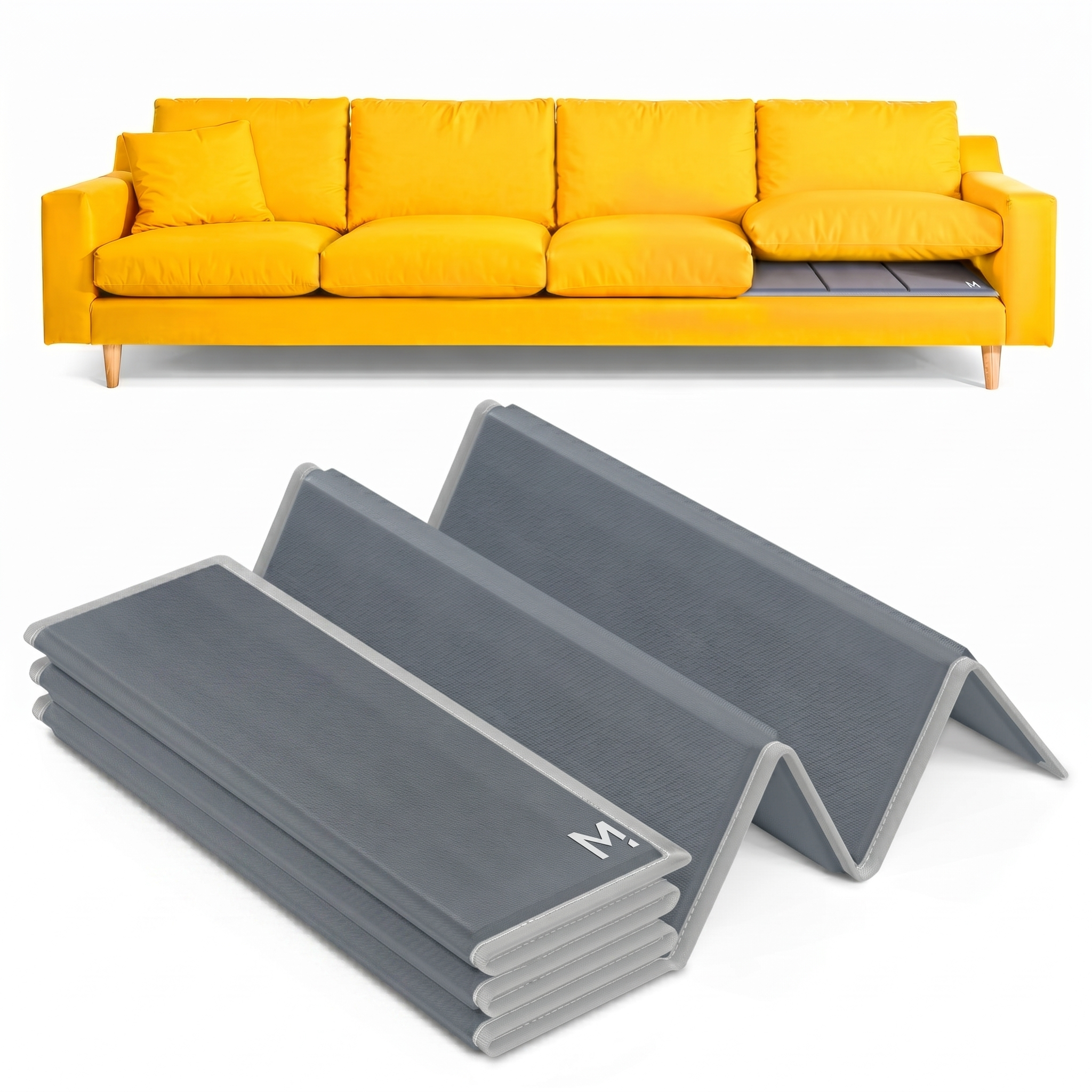
A support board or support panel under the seat cushion solves the issue at the level where it starts. It reduces the bowing that creates the sunken feeling, and it gives the memory foam a flatter surface to rest on. That matters because memory foam is a pressure-relief material, not a structural one. If the base below it flexes too much, the foam sinks with it and the seat keeps feeling tired even after you fluff the cushion.

In repair terms, this is the best-value step because it is reversible, affordable, and often enough to extend the life of a sectional that still has usable cushions and a sound frame.

A practical repair sequence looks like this:

  1. Remove the seat cushions
    Press on the deck and compare sections side by side. You are checking whether the problem is isolated or spread across the module.
  2. Inspect the seat platform
    Look for soft spots, visible bowing, or a seat that feels lower in the center than at the front rail and back.
  3. Add a rigid support layer under the problem area
    The goal is even support across the full sitting zone, not a hard patch in one small spot.
  4. Test the seat with the original cushions in place
    If the seat feels level again, the base was doing most of the damage. If it still bottoms out, the cushion insert is also due for repair or replacement.

Where a support product fits

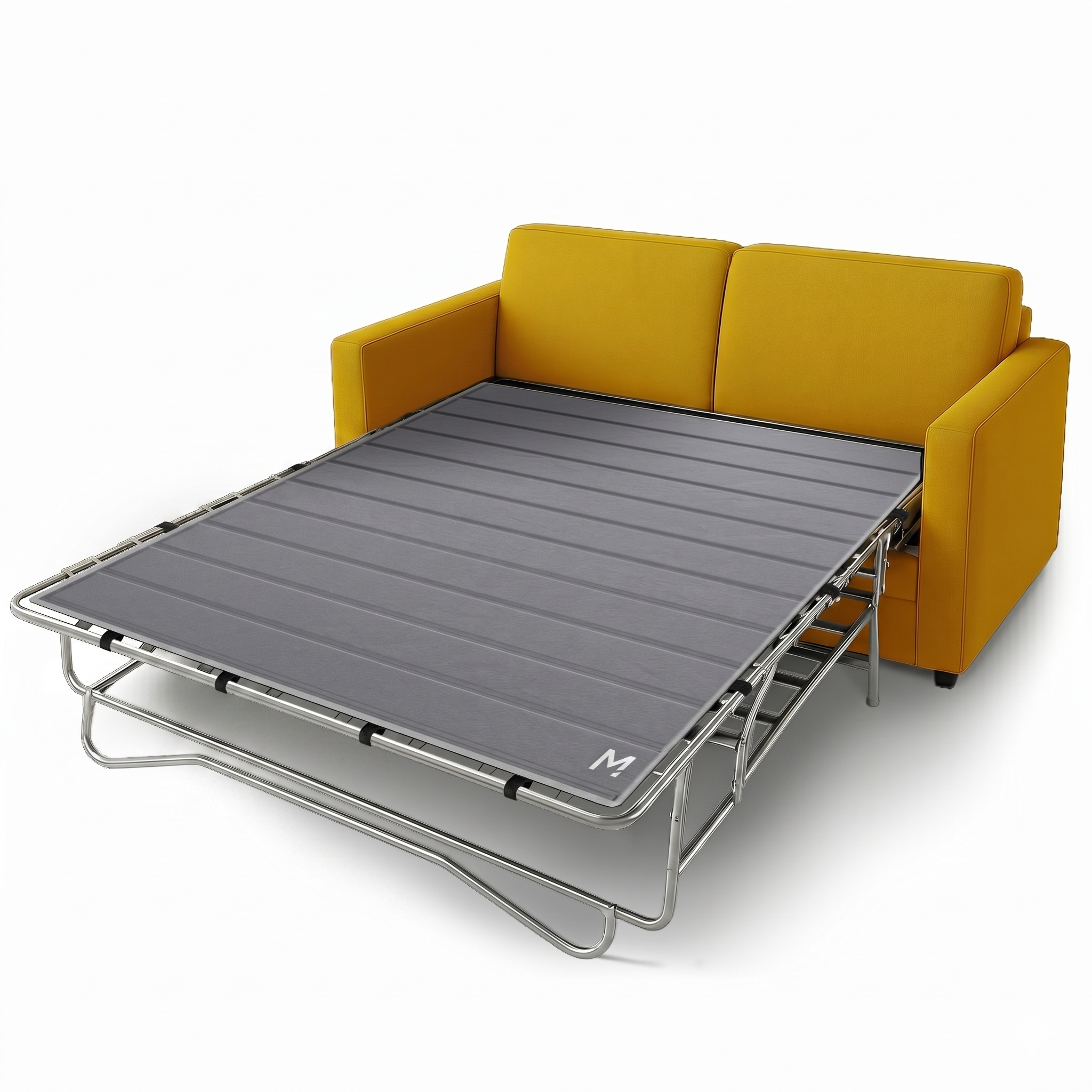
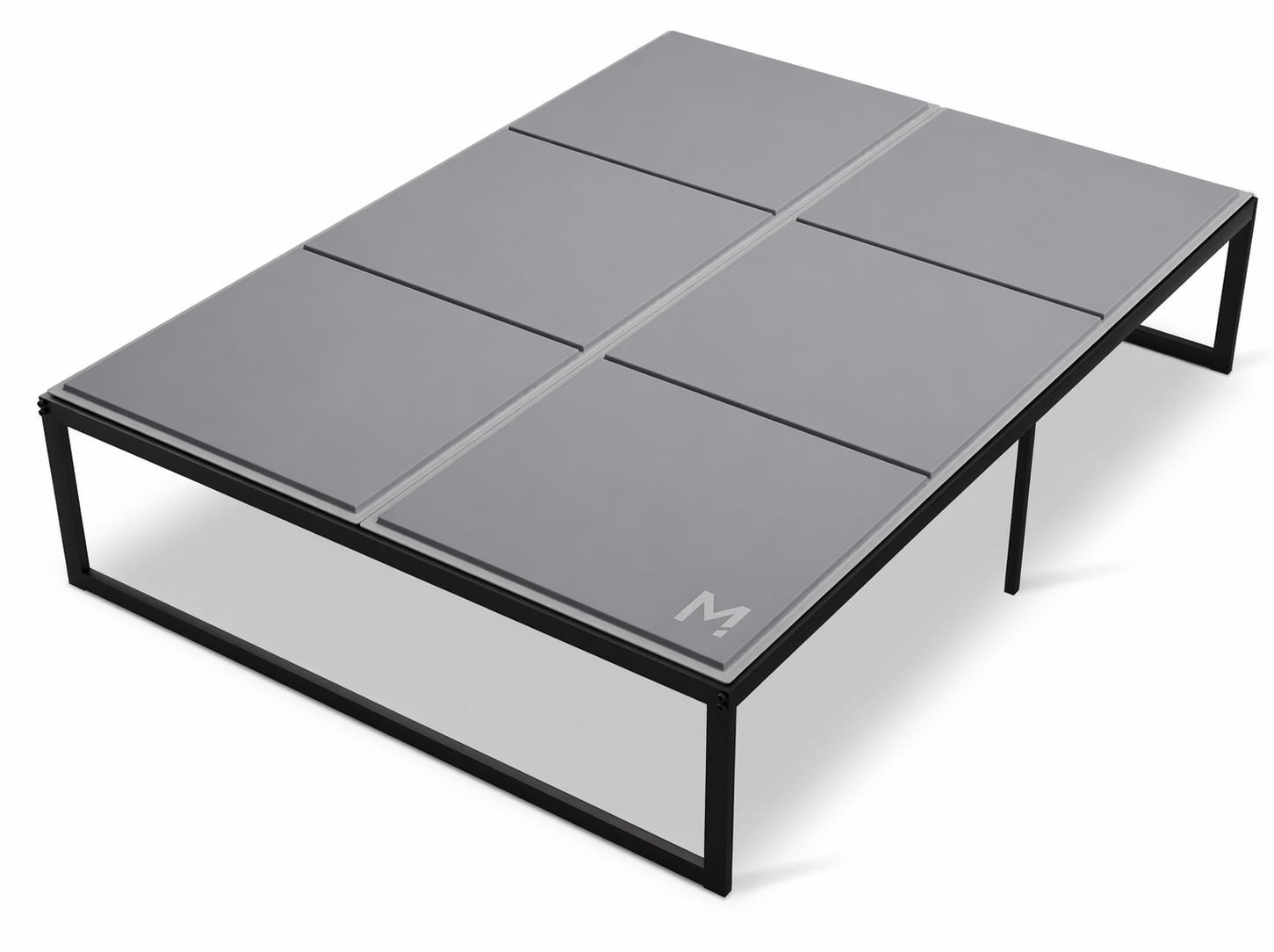
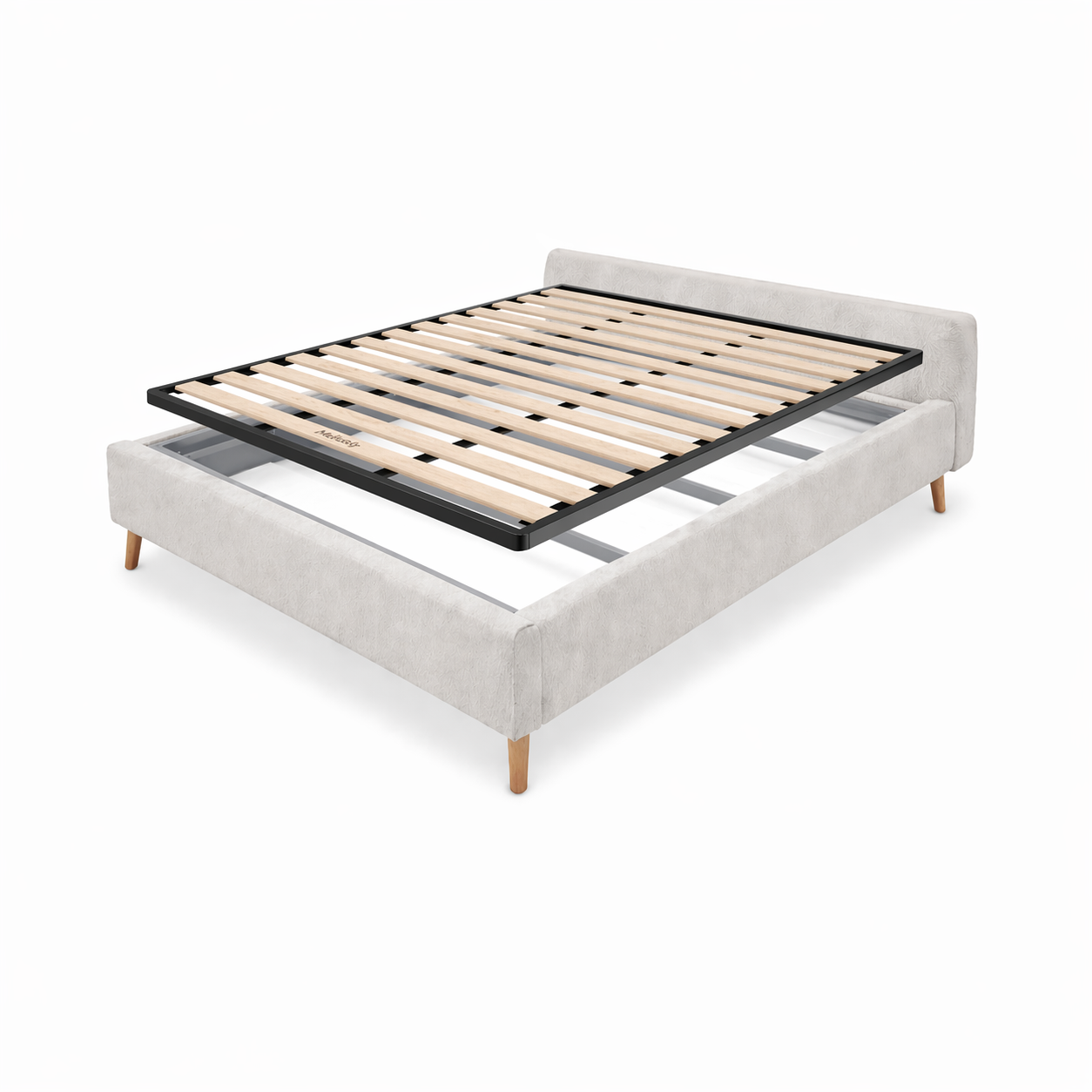
Meliusly sofa cushion supports are made for this exact stage in the ownership cycle. They sit under the seat cushions and firm up the base so the sectional feels more level and usable again. For owners trying to get more years from a good-looking sofa instead of replacing it early, that is a sensible repair path.

What not to expect

A support panel will not rebuild foam that has fully broken down. It also will not correct a cracked frame or failed springs. But many sagging memory foam sectionals are not total losses. They have a partially tired cushion sitting on a base that has softened just enough to make the whole seat feel worse than it is.

Fix the support first. Then decide whether the foam still needs attention.

That order saves money, avoids unnecessary cushion replacement, and matches how sectional wear usually develops over time.

Enjoy Your Sofa for Years Not Just Seasons

Two years after delivery is when a memory foam sectional starts telling the truth. The showroom softness matters less than whether the seats still sit level, the foam still rebounds, and the base still supports weight evenly across the section people use every day.

Owners who get long life from this type of sofa treat it like a piece of equipment, not a disposable decor purchase. They buy for structure first, keep up with basic cushion and base maintenance, and address early sag before it turns into a full seat failure. That is the difference between replacing a sectional after a few seasons and getting many more useful years from it.

Long-term value comes from repairability.

A memory foam sectional can stay comfortable for a long time if the frame is sound and the wear points are managed in the right order. Start with the support system. Then evaluate the cushion inserts. That sequence avoids unnecessary replacement and reflects how these sofas usually age in real homes.

If your sectional has started sinking, leaning, or feeling uneven, Meliusly offers support products designed for this stage of ownership. They help restore a firmer, more level seat so you can extend the life of furniture that still has good years left in it.


Share this post


← Older Post Newer Post →