

Covered Microwave Bowl a Smart Homeowner's Guide
Posted by Meliusly
You've reheated leftovers, only to hear the familiar pop of sauce against the microwave walls. When you open the door, the bowl's edges are steaming hot, the center is still cold, and cleanup has become part of the meal. A covered microwave bowl addresses both problems with a simple, reusable design that contains splatter while helping food reheat more consistently.
That practical approach reflects a broader home-maintenance principle. The right support solves a problem at its source, whether you're containing steam in the kitchen or preventing a sofa cushion from sagging. A durable tool can save time, reduce waste, and make everyday routines more comfortable without requiring a major replacement.
The End of Microwave Messes and Cold-Center Meals
A bowl of leftover pasta illustrates the problem well. Without a cover, bubbling sauce can coat the microwave cavity while the outside of the food heats faster than the middle. A paper towel may catch some droplets, and a dinner plate may block larger splashes, but neither option manages steam and coverage as deliberately as a purpose-built lid.
The modern microwave created the need for accessories like this. Percy Spencer's discovery of microwave heating in 1945 led Raytheon to file a microwave cooking patent on October 8, 1945. Commercial ovens reached restaurants and institutional kitchens in 1946, and the first home countertop model arrived in the 1950s at about $495. Microwave ownership later expanded rapidly, reaching about 90% of U.S. households by 1997, which helped turn safe serving and covering accessories into everyday kitchen necessities, as documented by the Smithsonian's history of microwave cooking.
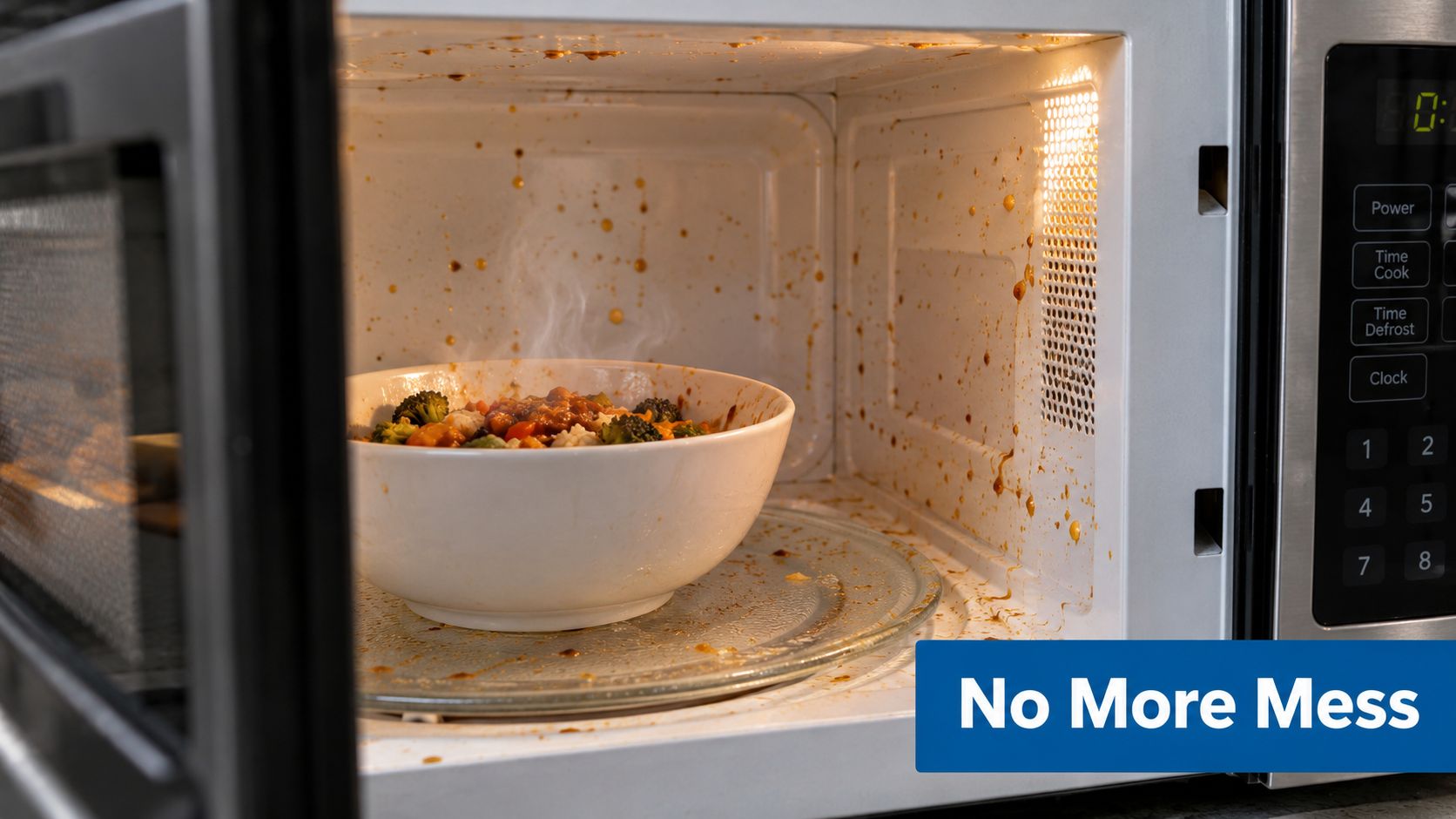
A small tool with a larger payoff
The best cover doesn't promise to eliminate every cold spot or replace sensible reheating practices. It does make the process more controlled. It keeps sauces, soups, and softened fats from coating the interior, retains useful moisture, and gives steam a designed path out of the bowl.
That matters for more than convenience. Less splatter means less scrubbing, while reusable coverage can reduce reliance on disposable wrap. Choosing one well-made item, then caring for it properly, follows the same logic as repairing furniture instead of replacing it when a targeted support can restore comfort.
Practical rule: Choose the right tool for the stress it must handle. A microwave cover needs controlled venting and heat-safe construction, just as a sofa needs proper support beneath a sagging cushion.
What a Covered Microwave Bowl Actually Does
A covered microwave bowl performs three jobs at once. It contains splatter, helps preserve moisture, and supports more uniform reheating. The lid shouldn't be treated as an airtight seal. Its value comes from controlled coverage.
Microwave energy heats water in food, producing steam. Without coverage, that moisture escapes quickly and splashes can reach the microwave cavity. With a loose or vented cover, some steam remains near the food, helping prevent dry edges and improving texture in items such as rice, vegetables, soup, and dense leftovers.
Why makeshift covers fall short
A dinner plate can work as a temporary shield, but it may be heavy, awkward to lift, or poorly matched to the bowl. A paper towel absorbs droplets rather than managing steam, and it can become saturated or touch the food. Disposable plastic wrap may cover the surface, but it creates unnecessary waste and shouldn't be used unless its labeling specifically supports the intended microwave use.
A purpose-built cover usually includes a rim that rests over the bowl, a vent or valve, and a handle that makes removal easier. Those details turn a loose barrier into a repeatable system. You can cover the food, leave a path for vapor, and lift the lid without reaching directly over a burst of steam.
The useful distinction: A cover protects the microwave, but the vent determines whether it also protects the quality of the meal.
For dense leftovers, stir the food when practical and arrange it so the thicker portion isn't concentrated in one cold mass. A cover can help create a more consistent reheating environment, but it can't overcome uneven food density or eliminate the need to check the center before eating. Use the bowl as part of a process, not as a substitute for judgment.
Choosing the Right Material for Your Kitchen
Material affects how a covered microwave bowl feels, cleans, and lasts. Microwave-safe plastics, silicone, glass, and ceramics are commonly recommended options, but each has different trade-offs. The material must tolerate hot steam and food contact without deforming or leaching unwanted substances, as discussed in this material safety guide for microwave containers.
| Material | Pros | Cons |
|---|---|---|
| Glass | Sturdy feel, easy to inspect, resists absorbing food odors | Heavier and vulnerable to impact or thermal shock |
| Silicone | Flexible, lightweight, and easy to store | May retain odors or stains depending on the food and finish |
| Polypropylene plastic | Lightweight, practical, and commonly used for food covers | Can discolor, scratch, or warp if used outside its instructions |
| Ceramic | Solid, attractive, and useful for serving | Heavy and breakable, with lids that may require separate care |
Glass for stability and visibility
Glass suits homeowners who want a substantial bowl that can move from microwave to table. It won't flex when you lift it, and its transparent walls make it easier to judge bubbling, moisture, and portion size. The trade-off is weight. A glass lid or bowl can be inconvenient for daily handling, particularly when hot.
Silicone for flexibility
Silicone works well in kitchens with limited cabinet space because it can flex or nest more easily than rigid materials. It also feels forgiving around crowded counters. Look for a product specifically identified as microwave-safe, and inspect it regularly for persistent odors, surface damage, or changes in shape.
Polypropylene and other plastics
Polypropylene is commonly used for food covers because it's lightweight and food-safe when properly manufactured and labeled. BPA-free claims may appear on product listings, but the more important first check is whether the item is explicitly marked for microwave use. A plastic cover that isn't labeled for that purpose shouldn't be treated as suitable because it looks durable.
For broader home protection, the same selection habit applies to tabletop covers and surface protection. Choose based on the conditions the item will face, then follow its care instructions rather than assuming every similar-looking product performs the same way.
Essential Features Vents Lids and Handles
The lid is the working part of a covered microwave bowl, not an accessory added for appearance. Microwave heating converts water in food into steam. If that vapor can't escape, pressure can build, condensation can collect on cooler surfaces, and the lid may shift or pop. A vented lid allows enough steam to leave while containing splashes, which can improve heat distribution and reduce mess, according to this explanation of microwave steam and condensation.
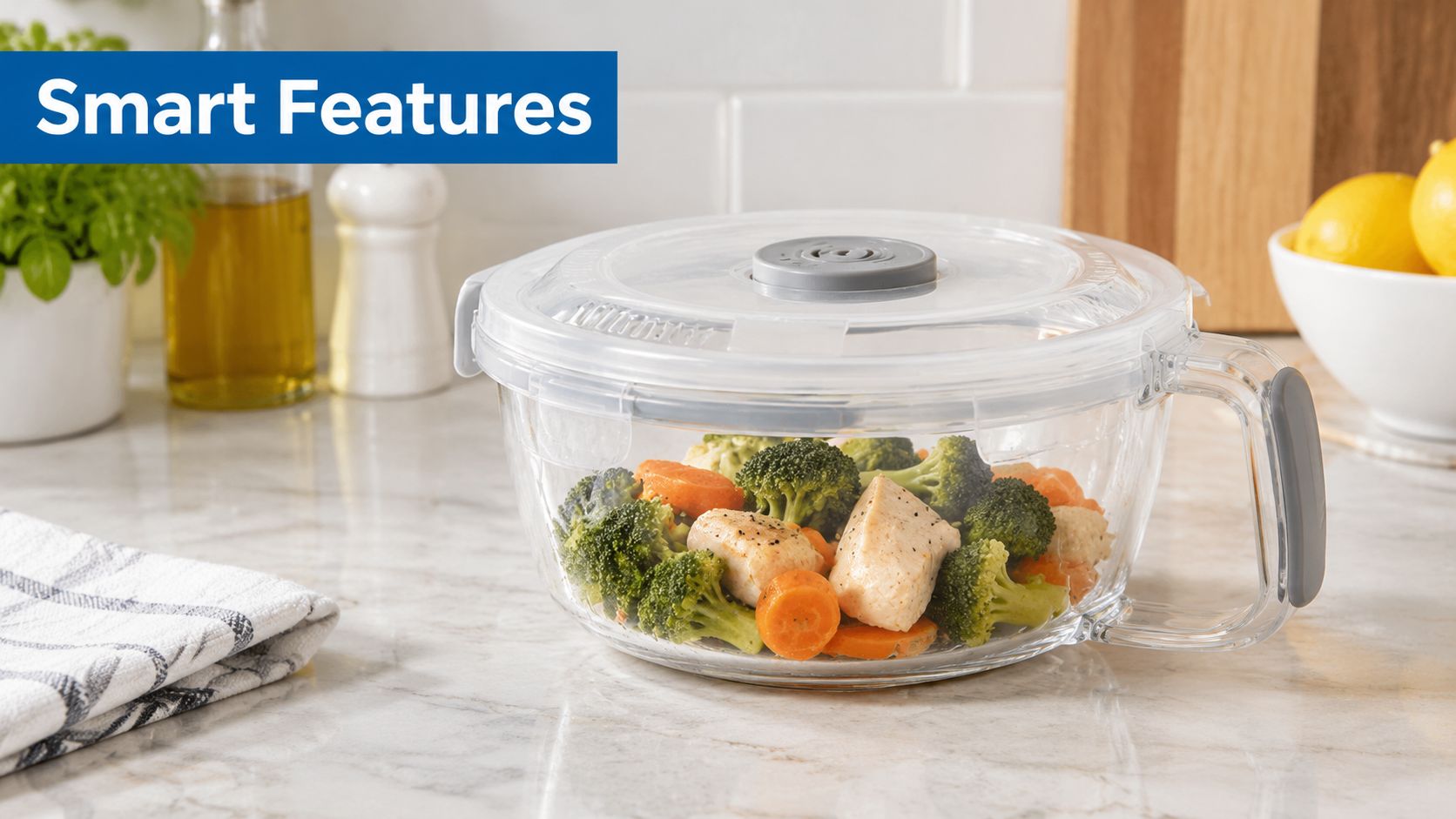
Vents should release, not lock in, steam
A vent hole or adjustable valve gives moisture a controlled exit. Some product instructions specifically state that the vent valve should remain open during microwave use to reduce the risk of breakage from steam pressure, while other descriptions connect venting with more even heating, as shown in this vented microwave lid product description.
Don't choose a lid that seals tightly unless its instructions clearly explain how to use it for microwave heating. A cover that traps all vapor can create a messy, difficult-to-remove lid and may leave food overly wet. The practical target is loose containment, not pressure cooking.
Secure edges and comfortable handling
The rim should sit securely on the bowl without requiring force to remove. A lid that slides easily may fail to contain splatter, while one that grips too tightly can make hot removal hazardous. A raised, stay-cool handle gives you a safer lifting point, but always lift from the side and keep your face and hands away from escaping steam.
Check the lid's fit against the bowls you already own. A technically excellent cover is still a poor purchase if it doesn't rest evenly on your most-used dishes. Match the diameter, depth, and shape before prioritizing cosmetic features.
How to Use and Care for Your Bowl for a Longer Life
Start with the label, not assumptions. Before placing any container or cover in a microwave, look for “Microwave Safe” or the universal symbol, a square with wavy lines. That marking indicates the product has been tested for this intended use, as explained in this consumer guidance on microwave-safe food packaging.
Use the bowl in a way that respects its design:
- Leave the vent open. Don't block or close the vent during heating unless the manufacturer's instructions specifically direct you to do so.
- Avoid a tight seal. Rest the cover over the bowl so steam can escape. Never force a lid into place.
- Center the food. Spread dense leftovers when possible, and stir before serving to check the interior.
- Lift carefully. Open the cover away from your face and hands, since trapped steam can remain hot even after the microwave stops.
Cleaning without shortening its life
Wash glass and ceramic components with a nonabrasive sponge to avoid surface damage. Silicone can benefit from thorough rinsing after oily or strongly seasoned foods, while plastic should be cleaned promptly so sauces don't set into scratches or seams.
Let every piece dry fully before storage. Inspect the cover for cracks, deep scratches, warping, or a vent that no longer moves freely. Store it without forcing it into a tight cabinet position, much as you would protect vinyl and elastic tablecloths from creasing, heat, and unnecessary strain. Replace a damaged item rather than continuing to use it because it still looks functional.
Small Upgrades for a Smarter Home
A covered microwave bowl earns its place through repeated use. It contains splatter, helps food retain moisture, and supports more even reheating when you stir and check the center. Replacing improvised covers with a reusable bowl also reduces cleanup and keeps unsuitable materials away from microwave heat.
Steam still needs an exit. Keep food loosely covered rather than sealed, allowing pressure to release while the cover holds in moisture, as explained in this food-safety discussion of covering food in a microwave.
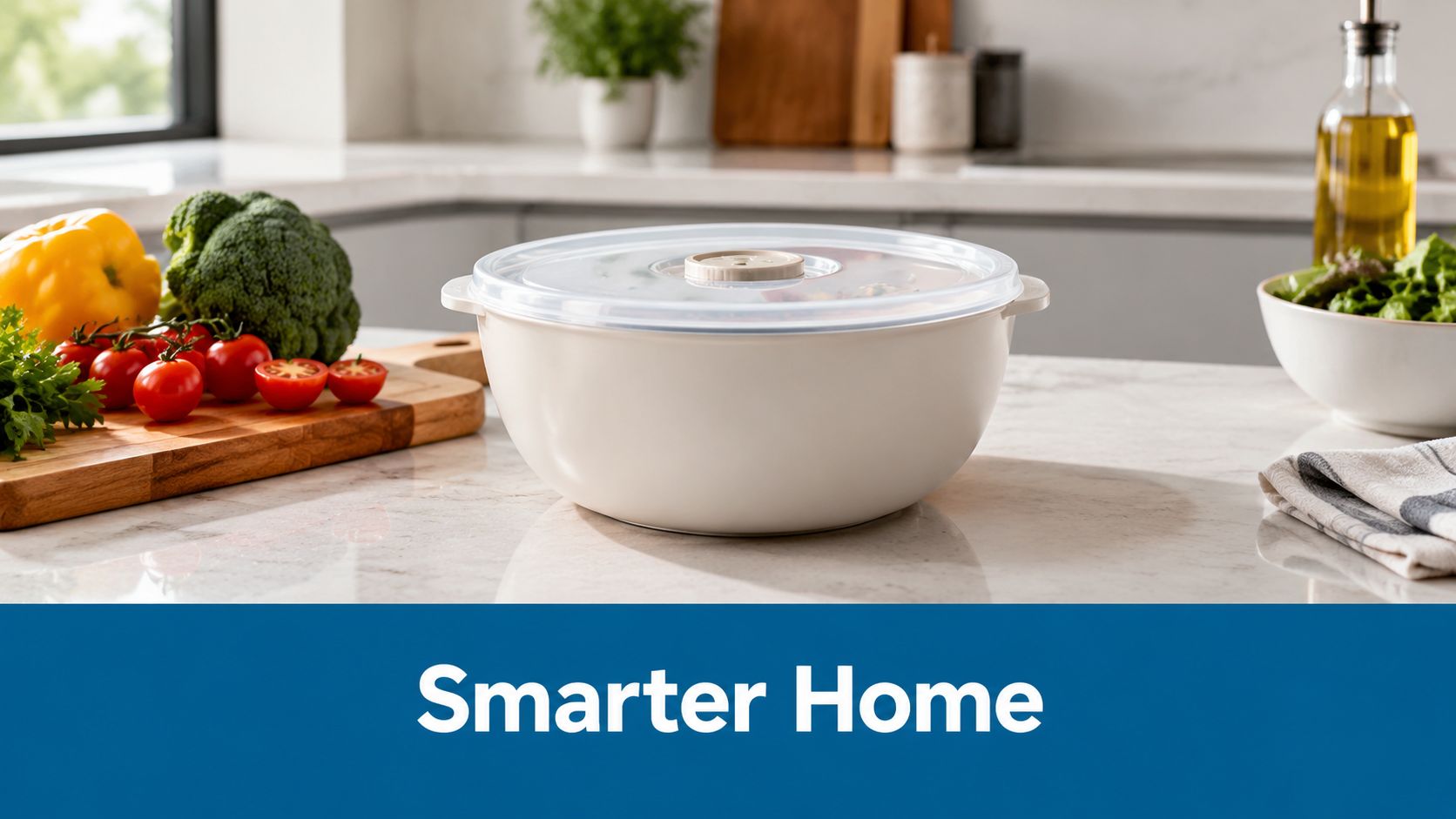
The same philosophy applies throughout the home
A practical upgrade should solve a recurring task without adding difficult care. For example, a covered bowl can keep soup from coating the microwave during weekday lunches, while an electric stove top cover can create useful counter space when the burners are cool and the surface is not in use.
Use the same test for furniture. A fitted support can steady a sagging sofa, strengthen a sleeper sofa, or make a bed foundation feel more stable. The value comes from matching the tool to a specific problem, checking its safety guidance, and choosing a design that is easy to clean and maintain. Sealed microwave lids, vague material information, and hard-to-clean seams deserve caution.
Meliusly applies this practical standard to furniture supports that help preserve existing pieces. Its range includes sofa supports, sleeper sofa support boards, bunkie boards, and bed slats, giving homeowners targeted ways to improve comfort and stability. A kitchen bowl and a furniture support address different jobs, yet both reward a durable, purpose-built solution over a quick replacement.
A comfortable home isn't created by buying more. It's created by choosing better solutions for the problems you deal with every day.
Meliusly offers practical support solutions for sagging sofas, sleeper sofas, beds, and other furniture that needs a firmer foundation. Visit Meliusly to find a durable fix that can improve comfort, protect your existing furniture, and help your home work better.
Share this post
- Tags: covered microwave bowl, food storage, kitchen solutions, microwave safe containers, reheating leftovers